Why Your Pool Pump Matters
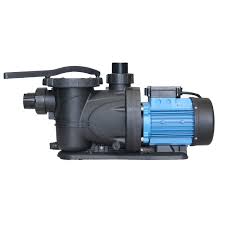
The pool pump is the heart of your pool's circulation system. It pulls water from the pool, pushes it through the filter, and returns clean, chemically balanced water back. Choosing the right pump affects water quality, energy bills, and equipment longevity.
Understanding Pump Capacity
Pump capacity is measured in liters per minute (LPM) or cubic meters per hour (m³/h). The general rule is that your pump should be able to circulate the entire pool volume within 6–8 hours. For example, a 50,000-liter pool needs a pump that moves at least 6,250–8,300 liters per hour.
Single-Speed vs. Variable-Speed
Single-speed pumps run at one constant speed. They're cheaper upfront but consume more electricity. Variable-speed pumps can run at different speeds, saving up to 70% on energy costs. They're quieter and last longer, making them the smarter long-term investment.
Sizing for Your Pool
- Small pools (up to 30,000L): 0.5–0.75 HP pump
- Medium pools (30,000–60,000L): 0.75–1.0 HP pump
- Large pools (60,000L+): 1.0–1.5 HP pump
Signs You Need a New Pump
- Unusual noises (grinding, screeching)
- Weak water flow from return jets
- Higher electricity bills
- Cloudy water despite chemical balancing
- Pump motor overheating
Professional Installation
At Pro Pool Services, we stock premium pumps from Astral, Hayward, Pentair, and Waterco. Our technicians assess your pool size, plumbing, and usage patterns to recommend the perfect pump. We also handle installation, maintenance, and warranty service.
Contact us for a free pump assessment today.